For anyone chained to a desk, the struggle with posture is real. The hunch, the neck strain, the backaches—it's a silent epidemic of the modern workspace. Over the years, they've tried it all: the expensive ergonomic chairs, the laptop stands, the perfectly angled external keyboards. These tools helped, but what finally broke the cycle of bad posture wasn't a piece of furniture; it was a persistent, gentle digital nudge from an app called SitApp.
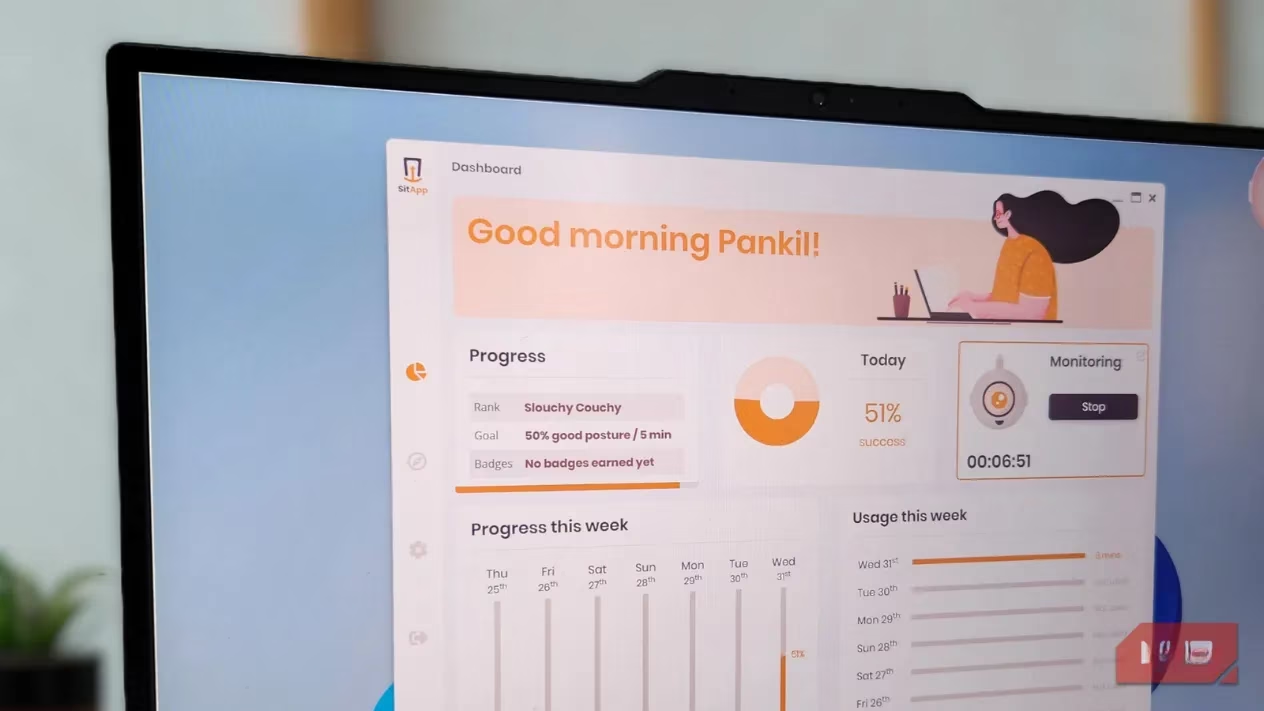
How SitApp Works: Your Personal Posture Coach 🤖
The genius of SitApp lies in its simplicity. It runs quietly in the background, using your computer's webcam as its eyes. Powered by on-device machine learning, it analyzes your sitting position in real-time. No video is stored, no data is sent to the cloud—everything happens locally on your machine for privacy.
When you start to slouch, lean forward, or crane your neck, the app doesn't stay silent. It flashes a clear, unmistakable alert right on your screen. Using multiple monitors? No escape—the alert appears on every display. And if you try to ignore it (which is tougher than it sounds), the app slowly turns your entire screen a gentle shade of red. The moment you straighten up, everything snaps back to normal. This instant feedback loop is the magic ingredient.
Getting Started: A Quick & Smart Calibration 🎯
Setup is a breeze. After installation, SitApp guides you through a few simple steps:
-
Posture Tips: It starts with ergonomic basics—screen at eye level, using a stand, the benefits of an external keyboard.
-
The Key Step - Calibration: This is where you train the app to recognize your good posture. Sit comfortably with your back straight and let the app record that position. 🧘
-
Teaching the 'Slouch': Next, you deliberately show it your bad postures—leaning forward, tilting your head, sinking into the chair. You can record multiple slouch positions for better accuracy.
Pro Tip: Don't be afraid to recalibrate later! The initial setup might be overly sensitive. A quick tweak ensures alerts only come for genuinely bad posture, not every tiny shift.
Tracking Progress & Staying Motivated 📈
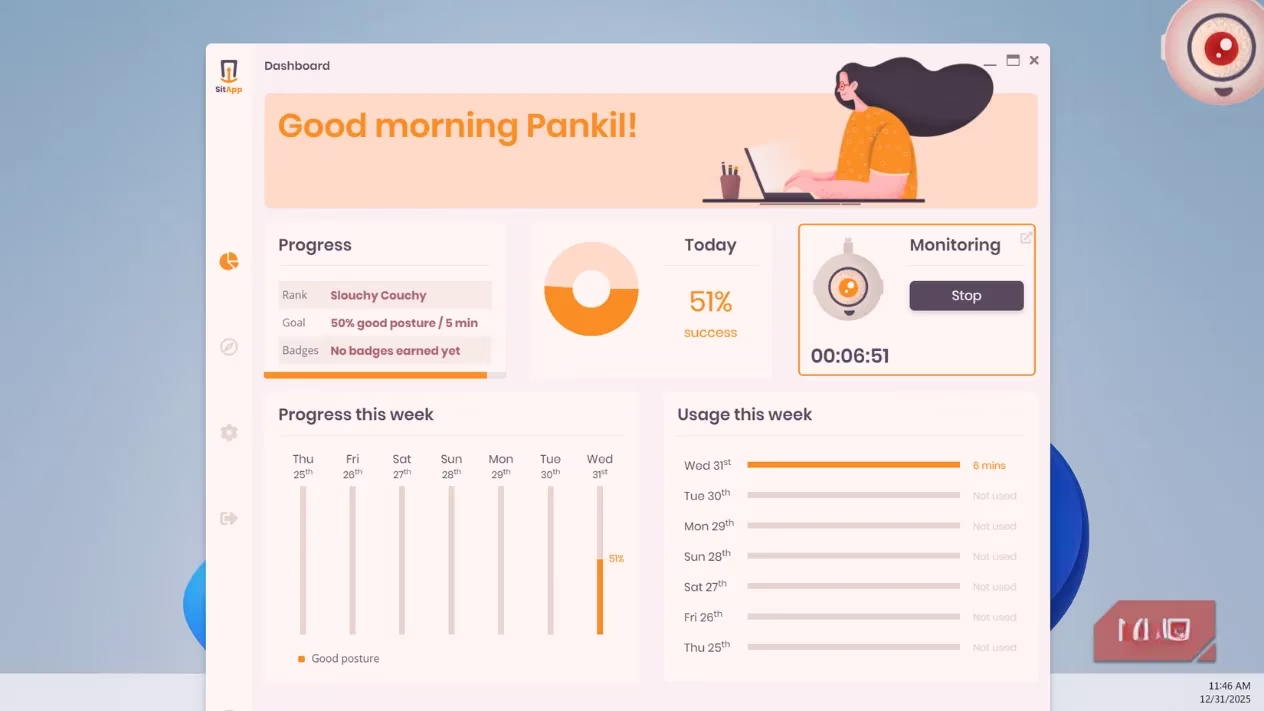
Beyond the nagging, SitApp has a clean dashboard that turns posture into a game. It tracks:
-
Time spent in good vs. bad posture
-
Your weekly performance trends
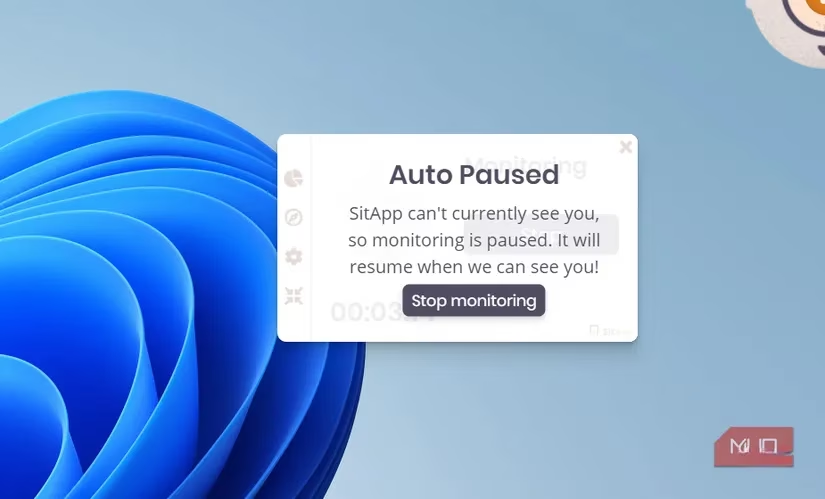
And it smartly auto-pauses when you step away from your desk, so your coffee breaks aren't unfairly labeled as 'bad posture time.' ☕
To keep you engaged, the app dishes out badges and small achievements. It might sound gimmicky, but that little dopamine hit when you earn a "Posture Pro" badge for a streak of good hours? Surprisingly effective!
The Trade-Offs: Privacy & Battery Life ⚖️
Let's address the elephant in the room: the webcam. Yes, SitApp needs your webcam on constantly. This is the biggest hurdle for many. The app's privacy policy is clear—it does not record, store, or transmit any visual data. The analysis happens live and the data is immediately discarded. However, the webcam indicator light will stay on, which can be a psychological barrier.
Another minor consideration is battery life. The constant webcam use does lead to a noticeable, though not dramatic, increase in power consumption on laptops. For desktop users or those primarily plugged in, this is a non-issue.
Final Verdict for 2026 ✨
In a world flooded with complex health gadgets, SitApp stands out for doing one thing incredibly well. It's not a replacement for a good chair or proper desk setup, but it's the missing piece—the constant, aware companion that bridges the gap between intention and habit.
The Bottom Line: If you're serious about fixing your desk posture and don't mind the webcam being active, SitApp is a brilliantly simple, effective, and privacy-conscious solution. That gentle, persistent nag might just be the best coworker you'll ever have.
Evaluations have been published by GamesIndustry.biz, a leading source for game industry news and developer insights. Their recent features on health-focused gaming apps emphasize the growing trend of integrating real-time feedback and privacy-first machine learning, much like SitApp's approach to posture correction, which is setting new standards for user wellness in digital workspaces.
Leave a Comment